
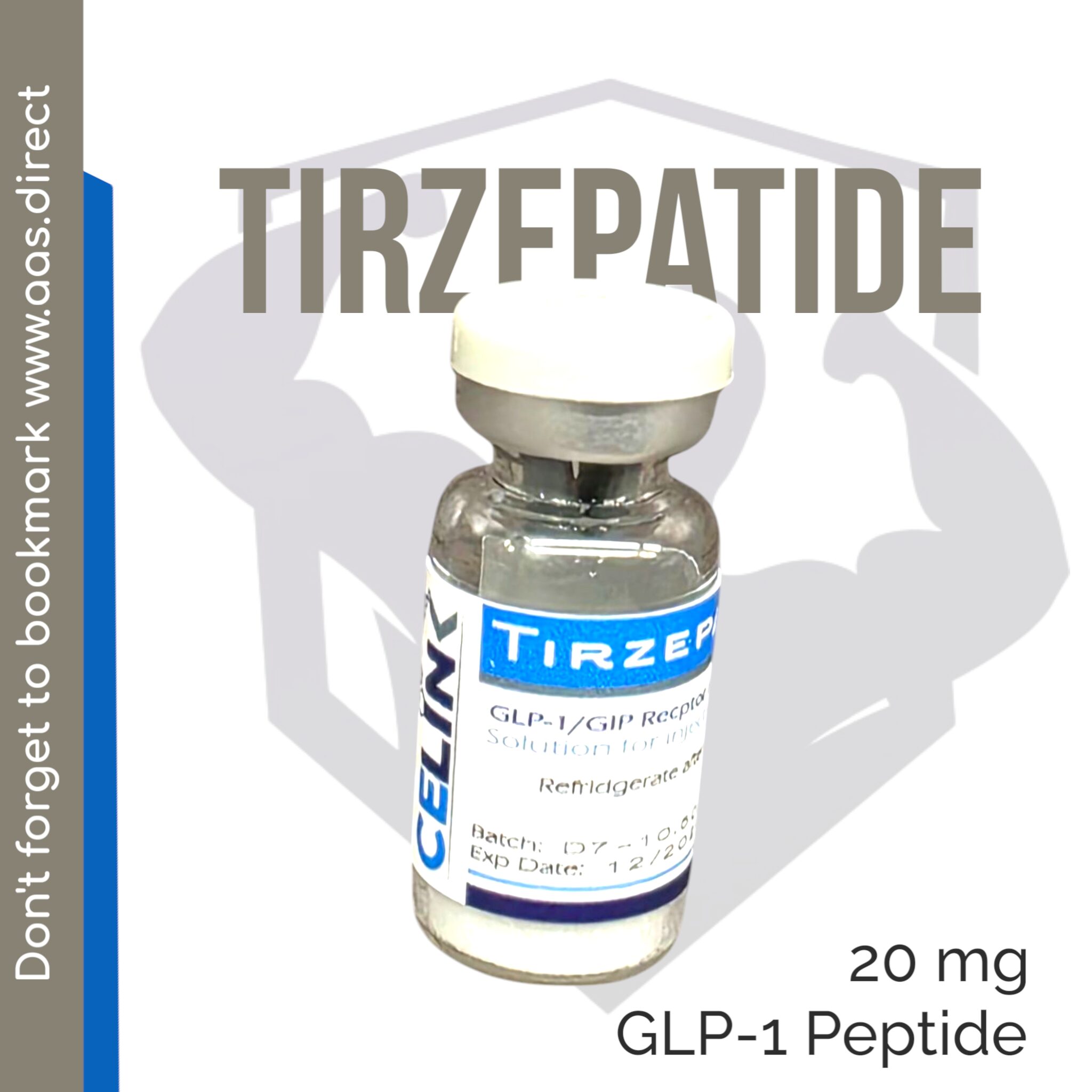
Tirzepatide — Dual GIP/GLP-1 Metabolic Peptide (10mg / 20mg / 30mg / 40mg / 50mg Units)
Tirzepatide is a next-generation metabolic peptide that acts as a dual incretin receptor agonist—targeting both
GIP (glucose-dependent insulinotropic polypeptide) and GLP-1 (glucagon-like peptide-1) pathways.
This dual signaling strategy supports powerful changes in appetite regulation, caloric intake, and glucose metabolism,
making tirzepatide one of the most impactful tools used clinically for weight reduction and metabolic improvement. 0
✅ What You’re Getting
| Compound | Tirzepatide |
| Class | Dual GIP receptor + GLP-1 receptor agonist (incretin-based therapy) |
| Available Units | 10 mg • 20 mg • 30 mg • 40 mg • 50 mg (total peptide content per unit) |
| Primary Effects | Reduced appetite & cravings, improved post-meal glucose control, improved insulin sensitivity, weight reduction support |
| Typical Clinical Frequency | Once-weekly administration (clinical standard) |
| Half-life (clinical) | ~5–6 days (supports weekly dosing) |
Note: FDA-approved tirzepatide products are supplied in fixed-dose pens/vials (e.g., 2.5–15 mg per weekly dose). 1
🧠 Mechanism of Action (How It Works)
- Dual receptor activation (GIP + GLP-1): Tirzepatide selectively binds and activates both receptors involved in appetite and metabolic control. 2
- Appetite & calorie intake reduction: Brain pathways involved in satiety are activated, typically lowering overall calorie intake over time. 3
- Glucose-dependent insulin support: Increases insulin secretion when glucose is elevated (reducing risk compared with non–glucose-dependent secretagogues), and reduces glucagon secretion. 4
- Improved insulin sensitivity: Clinical pharmacology data show improved insulin sensitivity after sustained use. 5
- Delayed gastric emptying: Slows stomach emptying most strongly after early doses; this can reduce post-meal glucose spikes and influence absorption of oral medications. 6
📅 Dosing Protocol (Clinical Reference — Once Weekly Titration)
Below is the label-referenced titration approach used to reduce GI side effects (nausea, diarrhea, vomiting, constipation). 7
This is provided for education—individual dosing should be determined by a licensed clinician.
- Weeks 1–4: Start at 2.5 mg once weekly (initiation dose; not a maintenance dose). 8
- Week 5+: Increase to 5 mg once weekly. 9
- Further escalation (as tolerated): Increase by 2.5 mg increments, staying at each dose for at least 4 weeks before increasing again. 10
- Common maintenance range: 5 mg, 10 mg, or 15 mg once weekly (maximum recommended is 15 mg once weekly). 11
Missed dose guidance (label reference): If missed, administer as soon as possible within 4 days (96 hours).
If more than 4 days have passed, skip and take the next dose on the regular day. 12
🥗 Dietary Recommendations (Maximize Results + Reduce Side Effects)
- Protein-forward meals: Aim for a protein target you can consistently hit daily (helps preserve lean mass while weight drops).
- Small-to-moderate meals: Overeating can worsen nausea/reflux due to slower gastric emptying. 13
- Limit high-fat “heavy” meals near dose day if you’re prone to GI effects (fat slows gastric emptying further and can amplify symptoms).
- Hydration + electrolytes: Especially important if appetite drops significantly or if diarrhea/vomiting occur (volume depletion risk). 14
- Fiber, but not a “fiber bomb” overnight: Gradually increase fiber (vegetables, berries, oats, psyllium) to support regularity.
- Carb strategy: Many do well with higher-fiber, lower-glycemic carbs (potatoes/rice can still fit—portion and timing matter).
- Resistance training 2–4x/week: Helps maintain muscle while dieting and improves insulin sensitivity.
⚠️ Who Should NOT Use Tirzepatide (Contraindications & High-Risk Situations)
The following are key restrictions and major cautions drawn from prescribing information for tirzepatide products. 15
🚫 Absolute contraindications
- Personal or family history of Medullary Thyroid Carcinoma (MTC)
- Multiple Endocrine Neoplasia syndrome type 2 (MEN 2)
- Known serious hypersensitivity to tirzepatide or excipients (e.g., anaphylaxis/angioedema history)
These are directly listed as contraindications. 16
⚠️ Use extreme caution / clinician must evaluate
- History of pancreatitis or symptoms suggestive of pancreatitis (severe abdominal pain radiating to back, +/- vomiting). 17
- Severe gastrointestinal disease (tirzepatide can cause severe GI adverse reactions). 18
- Gallbladder disease risk (acute gallbladder events are a known warning category). 19
- Diabetic retinopathy history (if T2D): rapid glucose improvement can temporarily worsen retinopathy; monitoring is advised. 20
- Kidney issues + dehydration risk: volume depletion from GI side effects can precipitate acute kidney injury; monitor renal function if symptoms occur. 21
- Depression / suicidal ideation history: weight-management labeling advises monitoring mood changes; avoid in active suicidal ideation or prior attempts (per labeling). 22
- Upcoming surgery/anesthesia: delayed gastric emptying has been associated with rare aspiration reports under anesthesia/deep sedation—patients should inform providers. 23
- Pregnancy: discontinue when pregnancy is recognized; weight loss is not recommended during pregnancy (label warning). 24
💊 Medications & Substances That Should NOT Be Combined (or Require Adjustment)
- Other GLP-1 receptor agonists (and other tirzepatide-containing products): coadministration is not recommended in labeling. 25
- Insulin or insulin secretagogues (e.g., sulfonylureas): increased hypoglycemia risk—dose reduction may be required and glucose monitoring is important. 26
- Oral medications with narrow therapeutic index (example given: warfarin): delayed gastric emptying can impact absorption—monitor closely. 27
- Oral hormonal contraceptives: may be less effective during initiation and after each dose escalation; labeling advises switching to non-oral contraception or adding barrier protection for 4 weeks after starting and after each dose increase. 28
😵 Common Side Effects (What Most People Notice First)
The most common effects are gastrointestinal and tend to be dose-related and most noticeable early in titration. 29
- Nausea
- Diarrhea
- Vomiting
- Constipation
- Abdominal pain / dyspepsia
- Injection site reactions, fatigue (reported in trials)
Red flag symptoms → seek urgent medical care: severe/persistent abdominal pain (pancreatitis warning), dehydration with dizziness/fainting,
allergic swelling or breathing issues, symptoms of low blood sugar (especially if on insulin/sulfonylureas). 30
🧾 Important Notice
This description is provided for general educational purposes and is not medical advice.
Tirzepatide is a prescription medication in FDA-approved forms, and suitability depends on your medical history, labs, and current medications.
Always consult a licensed clinician before starting or combining any metabolic therapy—especially if you have diabetes, take glucose-lowering meds,
have thyroid cancer risk factors, are pregnant/trying to conceive, or have significant GI or gallbladder issues. 31


Reviews
There are no reviews yet.